

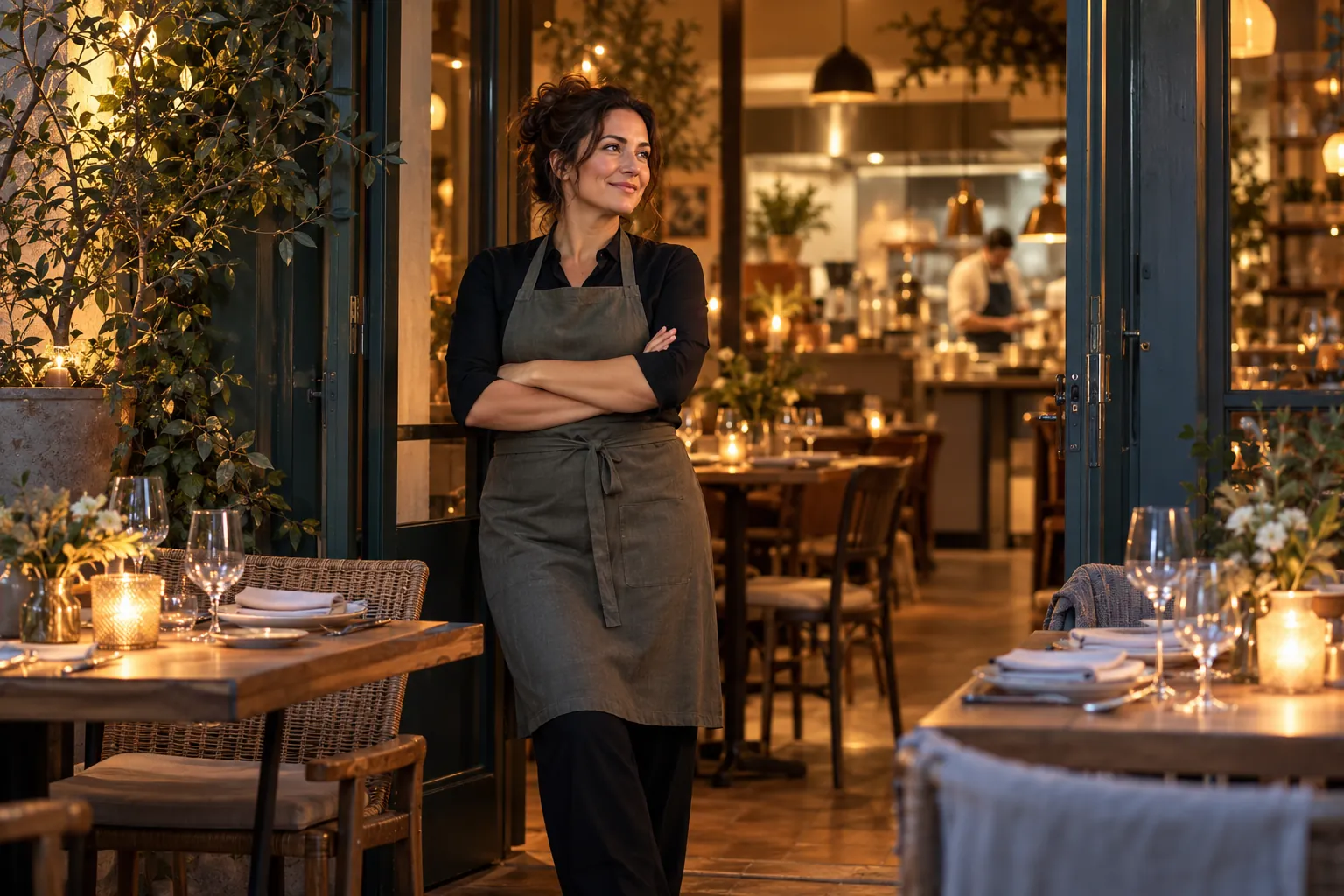
Sofia straightened a glass on a table that did not need straightening. The kitchen was ready. The dining room looked good. It was Tuesday, and she knew the question she would ask at closing: what should we post tomorrow? She had been asking it for months without ever agreeing what those posts were supposed to help a guest decide.
The regulars knew why they came.
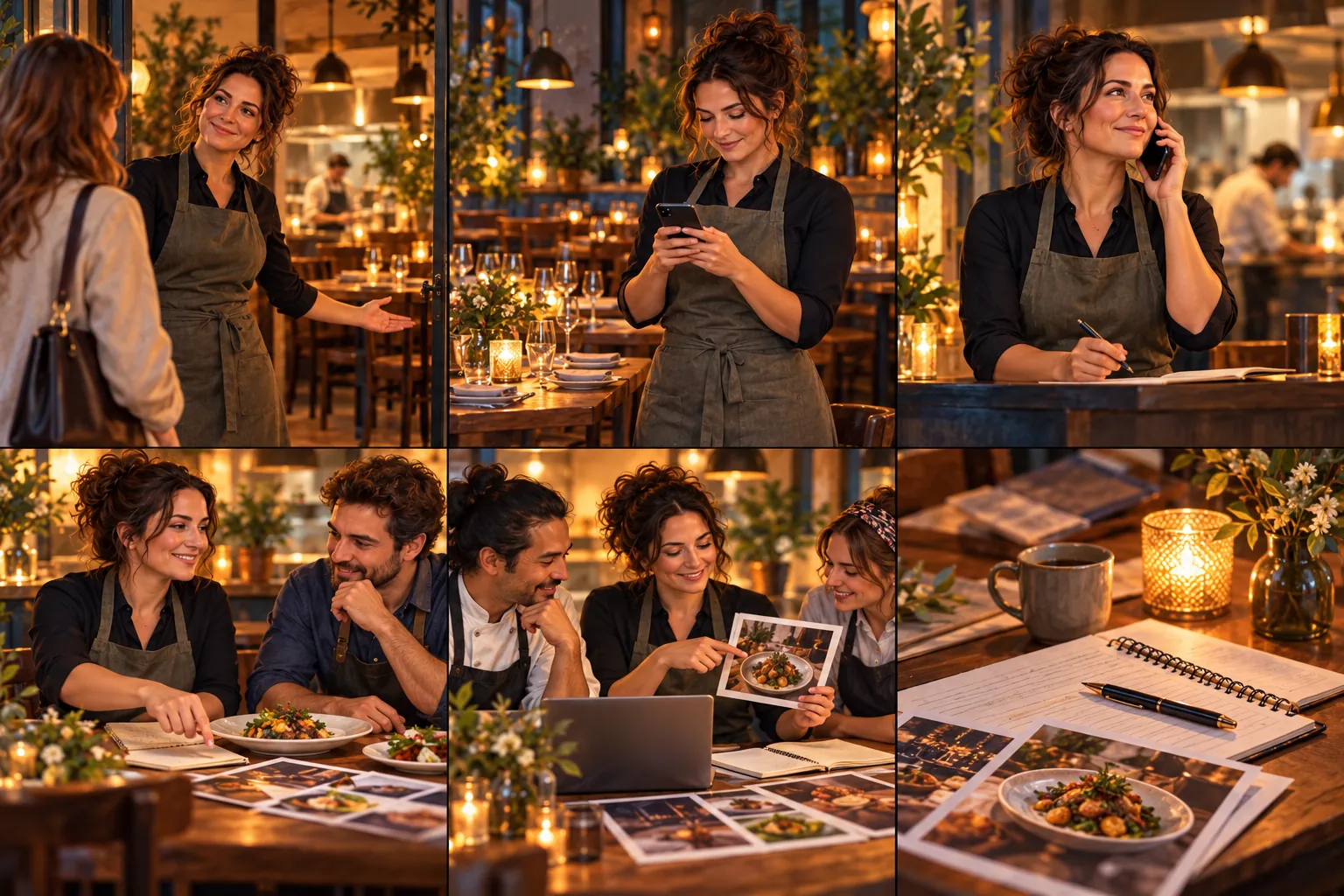
Some came for a quick dinner after work. Others booked a birthday or brought friends visiting town. Sofia knew those occasions from the dining room. Her website presented a different story: a large photograph, a menu PDF and a reservation link several taps away.
A visitor could admire a dish without checking the current menu, finding the location easily or understanding whether the room suited their evening.
A prettier feed was still a collection of moments.
Sofia hired a photographer and approved a month of posts. The food looked wonderful. Then menus changed, photographs aged and a busy weekend swallowed the time she had set aside for the next brief.
She tried a discount for a quiet night. It gave the team another thing to explain without helping them understand which occasions the restaurant should be known for.
A guest asked the question the website missed.
Someone called to ask whether they could bring a small group for an early dinner before a nearby event. Sofia described the room, the timing and how to enquire. After the call, she looked for that information online. The event was local. The question was ordinary. The page did not exist.
There was a useful story to tell about the evening a guest was planning, not just the plate in front of them.
They planned the occasion before the post.
Sofia took the early-dinner question to DoPlaybook. They started with current menus, confirmed opening hours and the actual reservation process. The site gave useful occasions a clear explanation and a relevant route to book or enquire. A visitor could find the practical information on a phone.
Social content drew from that plan. A photograph of the dining room could introduce an evening out, then lead to the right information. Follow-up supported agreed enquiries while confirmations stayed with the real booking system. Sofia could review the connection instead of approving another isolated plate.
Tuesday had a subject worth discussing.
At a later planning session, Sofia and the team talked about the guest’s evening before choosing the image. What would someone need to know? Which menu was current? Could the booking route support the invitation? Those questions made the next piece of work easier to judge.
The story does not end with every table full. Guests still choose, and the restaurant still has to deliver. It ends with Sofia knowing why tomorrow’s post belongs in the plan before she straightens the last glass.