


Nico turned off the dryer and looked at tomorrow’s book. A new client had reserved the shortest appointment for a service that needed a consultation. It would take a careful call to sort it out. On the website, three booking options had almost identical descriptions. Nico could see how the mistake had happened.
The portfolio showed the finish, not the appointment.
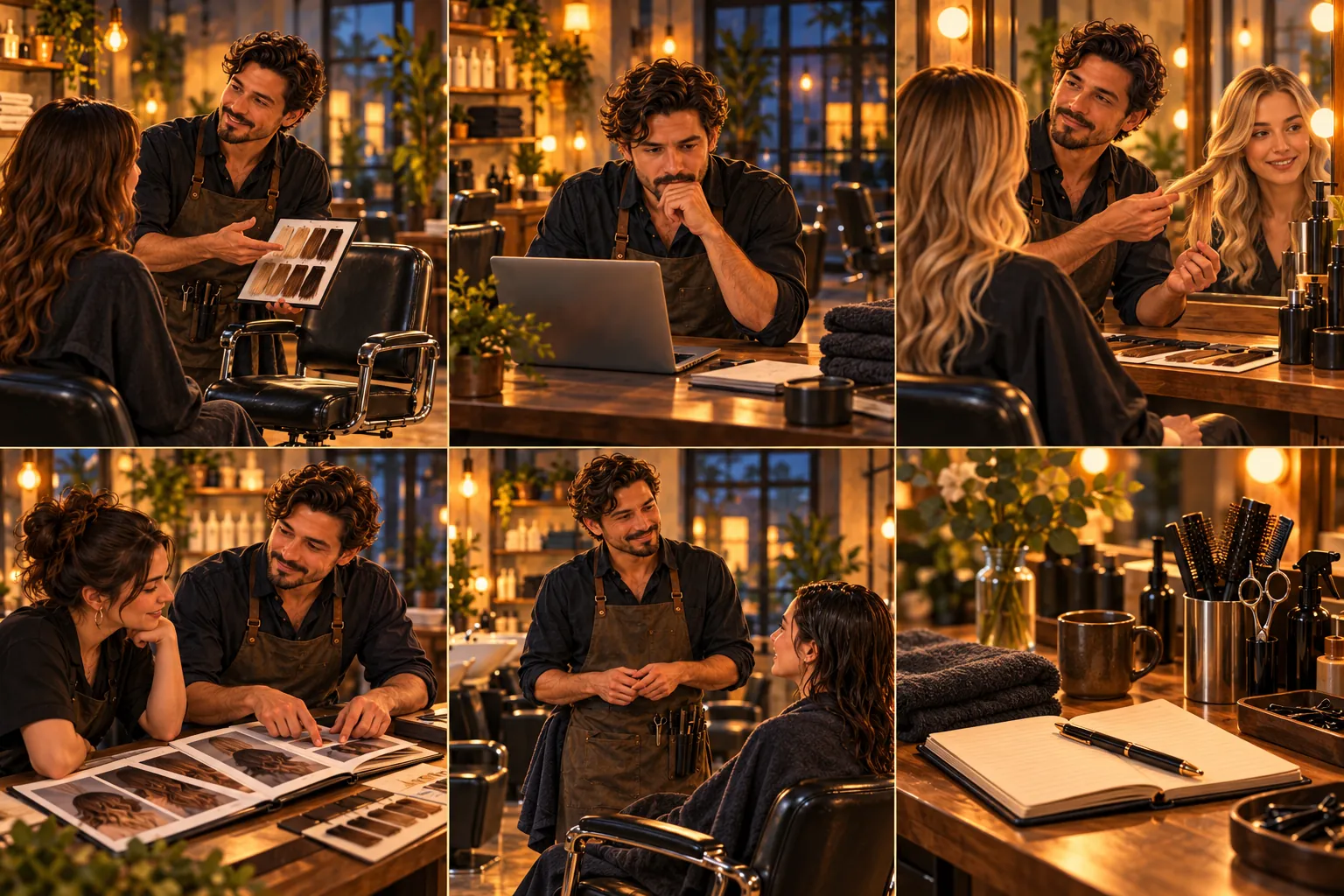
His salon had a distinct style and regular clients who valued the consultation. Social photographs showed the work beautifully. They did less to explain which service a new client should choose or when a conversation needed to happen first.
People already in Nico’s chair understood the difference. Someone discovering the salon after work saw a gallery, a price list and a long menu of similar-sounding booking choices.
Discounts made the message less specific.
When gaps appeared, Nico promoted an offer. It brought attention but sometimes to appointments that did not match the client’s expectation. The team spent time correcting bookings that could have started more clearly.
He did not need every person nearby to choose his salon. He needed the right people to understand the kind of appointment they were arranging.
A new client described the gap.
During a consultation, someone said they loved the photographs but hadn’t known what to select. Nico explained the options with a mirror, a few examples and an ordinary conversation. The difference was easy to hear.
He asked the team to note the phrases they used every day. Those phrases sounded far more useful than the promotional copy they had been approving.
The appointment choices got the same care as the photographs.
Nico brought the team’s everyday phrases to DoPlaybook. They connected the portfolio to clear service explanations and the actual booking menu. A first-visit guide described when a consultation was needed. Articles and social posts explained the choices without promising that every client would get an identical result.
Each invitation led to the right kind of enquiry or booking step. Confirmations stayed with the real booking process. Nico could review the journey as a newcomer, using the same words his team used beside the chair.
A new client knew which question to ask.
During a later consultation, a client mentioned the guide they had read before making contact. They wanted advice about their own appointment. The team could begin there, rather than first correcting a misunderstanding about what had been reserved.
Availability, pricing and the experience still mattered. The useful change in this story happened before the chair: the website had begun helping someone choose. Nico switched off the mirror lights with the next review already on the calendar.